What the INFJ Door Slam Is

The INFJ door slam occurs when an INFJ personality cuts someone out of their life.

In some cases, the INFJ will continue to have contact with the person they’ve door-slammed. This happens when circumstances make it impossible for the INFJ to completely cut someone out

In this instance, the INFJ may do an “emotional” door slam. They may politely tolerate the other person’s presence but minimize their interaction with them. They revoke access to their personal thoughts, feelings, and authentic inner world — in other words, they stop being vulnerable around this person in order to protect themselves from further hurt. The other person may not even be aware that the INFJ has slammed the door.

In other cases, the door slam is more dramatic. Take, for example, the break-up of a romantic relationship or a falling out with a good friend. When the INFJ slams the door under these circumstances, they may cut off all contact with the other person, unfollowing them on social media and no longer spending any time with them. It’s said that when you deeply wound an INFJ, they don’t hate you, they nothing you.

INFJs may try to wipe every trace of the other person from their life. For example, when I broke up with my first boyfriend, I buried a box in my backyard of trinkets and notes he had given me. Getting rid of everything that reminded me of him was part of my door-slam process.

To the outsider, slamming the door on someone who was once close to you may seem like a drastic measure. It may seem like it came out of nowhere. However, for most INFJs, that’s rarely the case. Things had been building to the door slam for a long time. Usually there is one fight or event that pushes the INFJ over the edge, causing them to finally shut the door.

INFJs slam the door when they have been deeply wounded. They slam the door when they can no longer tolerate a person’s toxicity. They do it to protect themselves from further hurt.

If the door has been slammed on you, it’s because the INFJ saw no other way of stopping the emotional pain you were causing them. You may not have meant to cause the pain, but nevertheless, it’s there. People of the INFJ personality are generally quite sensitive to the words and actions of others. More so than some other personality types, they need harmony, strong emotional support, and a healthy give-and-take in their relationships to thrive.

They tend to be patient and forgiving of others’ shortcomings, but even INFJs have their breaking point. When an unhealthy relationship becomes draining and damaging, the INFJ must remove it to save their sanity. Usually the door is slammed only as a last resort.

Can the Door Ever Be Opened Again?

Sometimes the door can be opened again but sometimes not. Let’s look at what determines these two different outcomes.

In order for the door to be re-opened, the INFJ must feel that the other person will no longer hurt them. They must believe the other person is sorry for the pain they caused — and they understand why their actions were damaging. Most important, the other person must commit to changing the way they treat the INFJ. If these conditions are met, healing can begin.

INFJs aren’t perfect. Sometimes an INFJ will slam the door too quickly. Sometimes people of this personality type bottle up their feelings, and rather than dealing with issues head-on when they’re small, they let them snowball. The other person may feel blindsided and unsure of what they did wrong, because the INFJ didn’t let on that they were hurting. This is when it’s crucial that INFJs openly communicate about the problem, consider how they might be contributing to the conflict, and set better boundaries.

However, sometimes the hurt is so great that the INFJ will not want to re-open the door — nor should they. INFJs, like other sensitive introverts, sometimes attract toxic, narcissistic, or emotionally needy people.

Why? Because INFJs want to help others. They see what others can be, and how to get there. Lovers of self-development and growth, they’re drawn to helping people work through their personal and emotional issues — and ultimately live their best life. Sometimes an INFJ will even date or befriend someone in order to “save” them, without even consciously realizing what they’re doing.

The door should absolutely remain closed if:

  • the relationship was emotionally or physically abusive
  • being around the person was extremely fatiguing or distressing
  • the person deceived you, cheated you, or took advantage of you

How to Prevent an INFJ Door Slam

The words you speak to an INFJ really matter. And the way you treat them really matters, too. INFJs need to feel like their emotions are heard and respected. They need fairness and balance in their relationships, and they greatly value understanding and emotional intelligence. Treat an INFJ personality with respect and kindness, and the door will never be slammed.

How it became normal to ignore texts and emails.

I hate being ignored. (Also i’ve returned to writing again. After so many years)

And i think most people do. Messaging peole on whatsapp or messenger has the same familarity of a real conversation but what people like best about these apps is the ability to put them off.

The defining feature of a conversation back in the day of msn messenger was the expectation of a response. After you write something, you expect something back.

But in these days, there is also an understanding you dont have to reply to any message you receive. As much as these communication tools have designed to be instant, they are also ignored. And ignore them we do. Text go unanswered for hours or days, emails sit in inboxes for so long that “Sorry for the delayed response” has gone from earnest apology to something unsaid.

People dont need fancy tech to ignore each other, of course. It takes just as little effort to avoid responding to a letter or voicemail or not to answer the door. The result is the sense that everyone could get back to you immediately, if they wanted to – and the anxiety that follows when they don’t. We seem to ironically want to have the option of choosing to respond to a message while expecting a prompt reply when we send something.

Human beings are always in the business of making meaning and interpreting meaning. Because there are options to choose when sending a message. But the cultural history and context in which we learn are so different, these meta messages are implied rather than stated, and people enlist their friends to help interpret exactly their romantic interest meant by a certain turn of phrases, or whether the silence means they’re being ghosted.

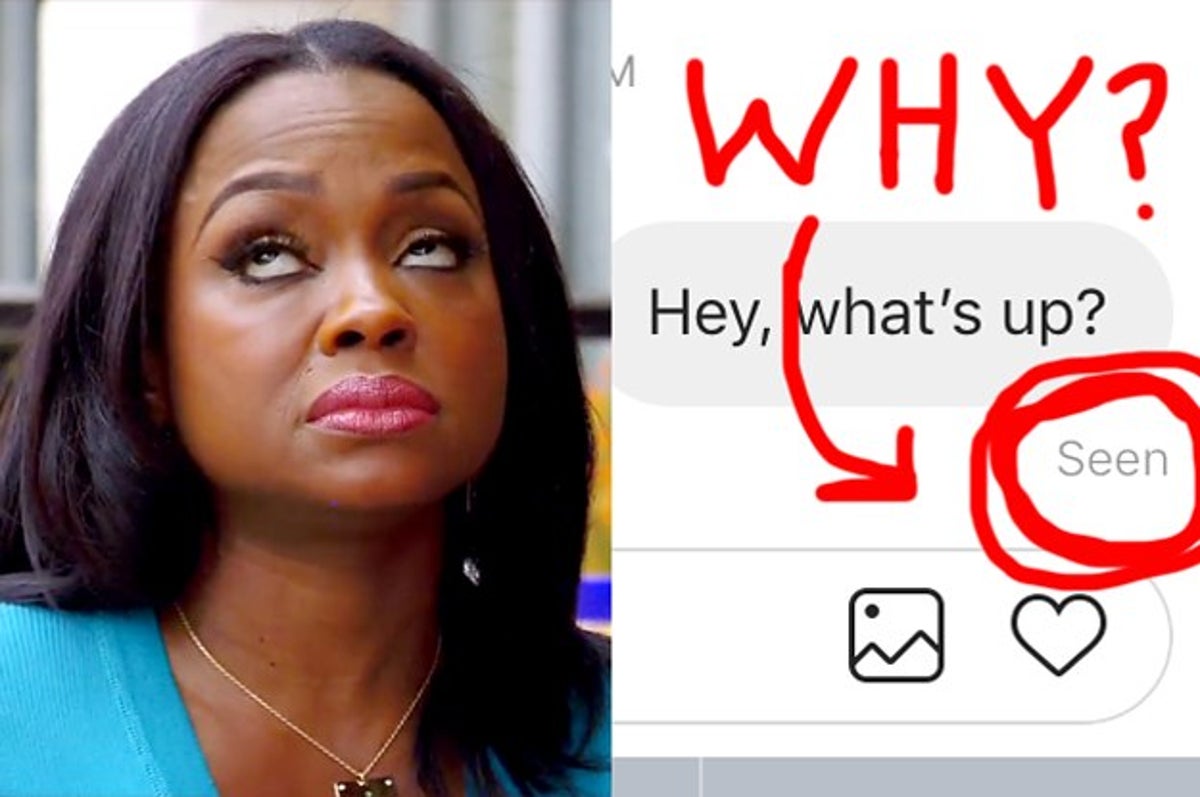
Even features intended to add clarity, like read receipts, or the bubble that tells you when someone is typing -often causes anxiety. By offering evidence for when someone is ignoring you or started to reply only to put it off longer.

Image result for read receipts awkward

Text and emails dont create a big obligation as phone calls, or a face to face conversation. People seem to hate to be invasive or reluctant to place a burden on someone else. Written messages create a screen of plausible deniability if someone doesn’t feel like responding. Which is nice for the hider, and frustrating for the seeker.

BURNOUT

Burnout is a state of emotional, physical, and mental exhaustion caused by excessive and prolonged stress. It occurs when a person feels overwhelmed, emotionally drained, and unable to meet constant demands.

The negative effects of burnout can be felt at home, work, and in your social life. Burnout can also cause physiological changes in your body that can make you vulnerable to illnesses like colds and flu.

You may be experiencing burnout if::

  • Every day is a bad day.
  • Caring about your work or home life seems like a total waste of energy.
  • You’re exhausted all the time.
  • You feel that the majority of your day is spent on tasks you find either mind-numbingly dull or overwhelming.
  • You feel like nothing you do makes a difference or is appreciated.

Physical signs and symptoms of burnout:

  • Feeling tired and drained most of the time
  • Lowered immunity, frequent illnesses
  • Frequent headaches or muscle pain
  • Change in appetite or sleep habits

Emotional signs and symptoms of burnout

  • Sense of failure and self-doubt
  • Feeling helpless, trapped, and defeated
  • Detachment, feeling alone in the world
  • Loss of motivation
  • Increasingly cynical and negative outlook
  • Decreased satisfaction and sense of accomplishment

Behavioral signs and symptoms of burnout

  • Withdrawing from responsibilities
  • Isolating yourself from others
  • Procrastinating, taking longer to get things done
  • Using food, drugs, or alcohol to cope
  • Taking out your frustrations on others
  • Skipping work or coming in late and leaving early
    [12:03 AM]
    Burnout may be the result of stress, but it isn’t the same as too much stress. Stress generally speaking, involves too much – too many pressures that demand too much of you physically and mentally. However, typically stressed people can still imagine that if they can just get everything under control, they’ll feel better.

Burnout, on the other hand, is about not enough. Being burned out means feeling empty and mentally exhausted, devoid of motivation, and beyond caring. People experiencing burnout often don’t see any hope of positive change in their situations. If excessive stress feels like you’re drowning in responsibilities, burnout is a sense of being all dried up. And while you’re usually aware of being under a lot of stress, you don’t always notice burnout when it happens.
[12:07 AM]
Stress
Characterized by over-engagement
Emotions are overreactive
Produces urgency and hyperactivity
Loss of energy
Leads to anxiety disorders
Primary damage is physical

Burnout
Characterized by disengagement
Emotions are blunted
Produces helplessness and hopelessness
Loss of motivation, ideals and hope
Leads to detachment and depression
Primary damage is emotional
[12:10 AM]
Burnout often stems from your job, but anyone who feels overworked and undervalued is at risk for burnout.

However, burnout is not caused solely by stressful work or too many responsibilities. Other factors contribute to burnout, including your lifestyle and personality traits. In fact, what you do in your downtime and how you look at the world can play just as big of a role in causing overwhelming stress as work or home demands.

Work-related causes of burnout

  • Feeling like you have little or no control over your work
  • Lack of recognition or reward for good work
  • Unclear or overly demanding job expectations
  • Doing work that’s monotonous or unchallenging
  • Working in a chaotic or high-pressure environment

Lifestyle causes of burnout

  • Working too much, without enough time for socializing or relaxing
  • Lack of close, supportive relationships
  • Taking on too many responsibilities, without enough help from others
  • Not getting enough sleep

Personality traits can contribute to burnout

  • Perfectionistic tendencies; nothing is ever good enough
  • Pessimistic view of yourself and the world
  • The need to be in control; reluctance to delegate to others
  • High-achieving, Type A personality
    [12:17 AM]
    To deal with burnout, turn to other people

When you’re experiencing burnout, you may feel helpless. However, you have a lot more control over stress than you may think. There are positive steps you can take to deal with overwhelming stress and get your life back into balance. One of the most effective is to reach out to others.

Talk to someone. The person you talk to doesn’t have to be able to “fix” your stressors; they just have to be a good listener, someone who’ll listen attentively without becoming distracted or expressing judgment.

Reach out to those closest to you, such as your partner, family, and friends. Opening up will not make you a burden to others. In fact, most friends and loved ones will be flattered that you trust them enough to confide in them, and it will only strengthen your friendship. Try not to think about what’s burning you out and make the time you spend with loved ones positive and enjoyable.

Be more sociable with your coworkers. Developing friendships with people you work with can help buffer you from job burnout. When you take a break, try engaging with your colleagues, or schedule social events together after work (if your work colleagues are significant contributors to your stress, perhaps don’t do this)

Limit your contact with negative people. Hanging out with negative-minded people who do nothing but complain will only drag down your mood and outlook. If you have to work with a negative person, try to limit the amount of time you spend together.

Connect with a cause or a community group that is personally meaningful to you. Joining a religious, social, or support group can give you a place to talk to like-minded people about how to deal with daily stress—and to make new friends.

Find new friends. If you don’t feel that you have anyone to turn to, it’s never too late to build new friendships and expand your social network.
[12:22 AM]
Reframe the way you look at work

One of the most effective way to combat job burnout is to quit and find a job you love instead. Unfortunately, this isn’t always a viable option. Whatever your situation, there are still steps you can take to improve your state of mind.

Try to find some value in your work. Even in some mundane jobs, you can often focus on how your role helps others, for example, or provides a much-needed product or service. Focus on aspects of the job that you do enjoy, even if it’s just chatting with your coworkers at lunch. Changing your attitude towards your job can help you regain a sense of purpose and control.

Find balance in your life. If you hate your job, look for meaning and satisfaction elsewhere in your life: in your family, friends, hobbies, or voluntary work. Focus on the parts of your life that bring you joy.

Make friends at work. Having strong ties in the workplace can help reduce monotony and counter the effects of burnout. Having friends to chat and joke with during the day can help relieve stress from an unfulfilling or demanding job, improve your job performance, or simply get you through a rough day.

Take time off. If burnout seems inevitable, try to take a complete break from work. Go on holiday, use up your sick days, ask for a temporary leave-of-absence, anything to remove yourself from the situation. Use the time away to recharge your batteries and pursue other methods of recovery. Short breaks have been found to be most beneficial – holidays that last longer than around a week or so essentially do nothing more for you physically or emotionally, so the literature at the moment suggests shorter holidays, but more often (if you can) is the best way to use time off as a work/life stress reducer.
[12:28 AM]
Reevaluate priorities
Burnout is a sign that something important in your life is not working. Take time to think about your hopes, goals, and dreams. Are you neglecting something that is truly important to you? This can be an opportunity to rediscover what really makes you happy and to slow down and give yourself time to rest, reflect, and heal.

Set boundaries. Don’t overextend yourself. Learn how to say “no” to requests on your time. If you find this difficult, remind yourself that saying “no” allows you to say “yes” to the commitments you want to make.

Get creative. Creativity can be a great way to deal with burnout. Try something new, start a fun project, or resume a favorite hobby. Choose activities that have nothing to do with work or whatever is causing your stress.

Set aside relaxation time. Relaxation techniques such as yoga, meditation, and deep breathing activate the body’s relaxation response, a state of restfulness that is the opposite of the stress response. It may sound new agey but it really does work!

Get plenty of sleep. This is absolutely vital, and good advice generally. Sleep is when your brain rests and consolidates memories from short term to long term – establishing connections between ideas and concepts in your waking life. You cannot survive without sleep, and a lack of it can make any illness, whether it be physical or mental much worse.
[12:32 AM]
Exercise
Even though it may be the last thing you feel like doing, exercise is a powerful antidote to stress and burnout. It’s been proven to elevate mood and improve cognitive function.

Aim to exercise for 30 minutes or more per day or break that up into short, 10-minute bursts of activity. A 10-minute walk can improve your mood for two hours.

Rhythmic exercise, where you move both your arms and legs, is a hugely effective way to lift your mood, increase energy, sharpen focus, and relax both the mind and body. Try walking, running, weight training, swimming, martial arts, or dancing.

To maximize stress relief, instead of continuing to focus on your thoughts, focus on your body and how it feels as you move: the sensation of your feet hitting the ground, for example, or the wind on your skin.

Support your mood and energy levels by eating a healthy diet. What you put in your body can have a huge impact on your mood and energy levels throughout the day.

Minimize sugar and refined carbs. You may crave sugary snacks or comfort foods such as pasta or French fries, but these high-carbohydrate foods quickly lead to a crash in mood and energy.

Reduce your high intake of foods that can adversely affect your mood, such as caffeine, trans fats, and foods with chemical preservatives or hormones.

Avoid nicotine. Smoking when you’re feeling stressed may seem calming, but nicotine is a stimulant, leading to higher, not lower, levels of anxiety.
I am exhausted. I am exhausted from the days of stress. I am exhausted from the nights of anxiety. I am exhausted from the depression my past gives me. I am exhausted from the planning of an unsure future. I am exhausted from the money, or lack thereof, for the education and knowledge of an occupation I am not promised to have. I am exhausted from the constant running to ensure myself that I will not be stuck. I am exhausted from how lost I feel where I am at right now, but how it is expected to know where and who I am. I am exhausted from being told how I should feel and act. I am so fucking exhausted from giving and giving to those who do not plan to return it; the empty promises others give. I am not okay. I am not happy. I am scared. I am anxious. I am exhausted.

on being angry.

lately ive realised a lot of my frustration and sadness is the sensation of being not in control of anything. As if the concept of being happy was inconceivable.

Work, money, friendships, relationships and any sort of carnal and spirital satisfaction has been out of my grasp.

To which i need to recalibrate and outline a plan to be in more control and so much more assertive.

I need to be assertive and tell people when i dont like something or i dont want to do something.

i think i would say i was a very stubborn and arrogant person.

Always being blessed by society and family too without any discomfort, and thus i watched from my perch like a bird looking down on her.

You could say as someone “loves their pet” in fact i did it for my pleasure, im like a person who raises their living toy in order to acquire feelings of love from it.

I saw her as i wanted to saw her. I liked her, because she fit into my dreams of what i wanted.

Bye.

If I could ever think things through. If I could change my field of view Maybe I’ll end up with you. I cant recall the things I said. So I’m blaming you instead.

Because its the last thing i can do.

disenfranchisement.

Lately ive been quite happy being alone, but still desiring some company. Ive turned to online dating a few times but lately its been quite hard. Maybe i havent/dont know how to talk to girls but it feels like every opening i do tends to just scare away anyone.

For example one coversation went like:

“Hey ** are you new to sydney huh?”

“Hey yeah i am, came from ***”

“Nice! what brought you into syd?”

“Just family, my whole family live in syd”

“oh i see! So what do you usually get up to around here? Uni/work?”

And the conversation ends there

Another conversation i had on tinder went like

“Hi *** hows your day?”

“Hi Alan, pretty good, how was yours? Whats your blood type?”

“Mine is B+, pretty common for most asians, how about you?”

Silence.

Is it me? Do i have to go straight to asking for a number or am i just chatting up the wrong way?


some ideas i thought might contribute to the reason were

  • Im asian. One of the most statistically significant unattractive races out there.
  • Im not very interesting [I dont have an outstanding hobby or skill i vouch on]
  • My conversational style sounds like an interview/coversation with your teacher on parent teacher night


I think i have to take a risk and maybe just give a girl my number and hopes she calls me. (realistically though, i dont see that as being very successful)

stop.

I’m aware that I share a lot of myself over the internet. People like to mention it, for some reason. I share even more of myself in person, actually. It’s all done to stop people from questioning further, so the bits I really don’t want to share stay hidden simply because no one knows they’re there.

Actually it bothers me. I get the impression that people seem to think i’m caught unawares, and i tend to play along cause its honestly very weird to just go “Yes, i chose to do that. ON purpose. And its not a little secret we share so pls stop”